
Introduction
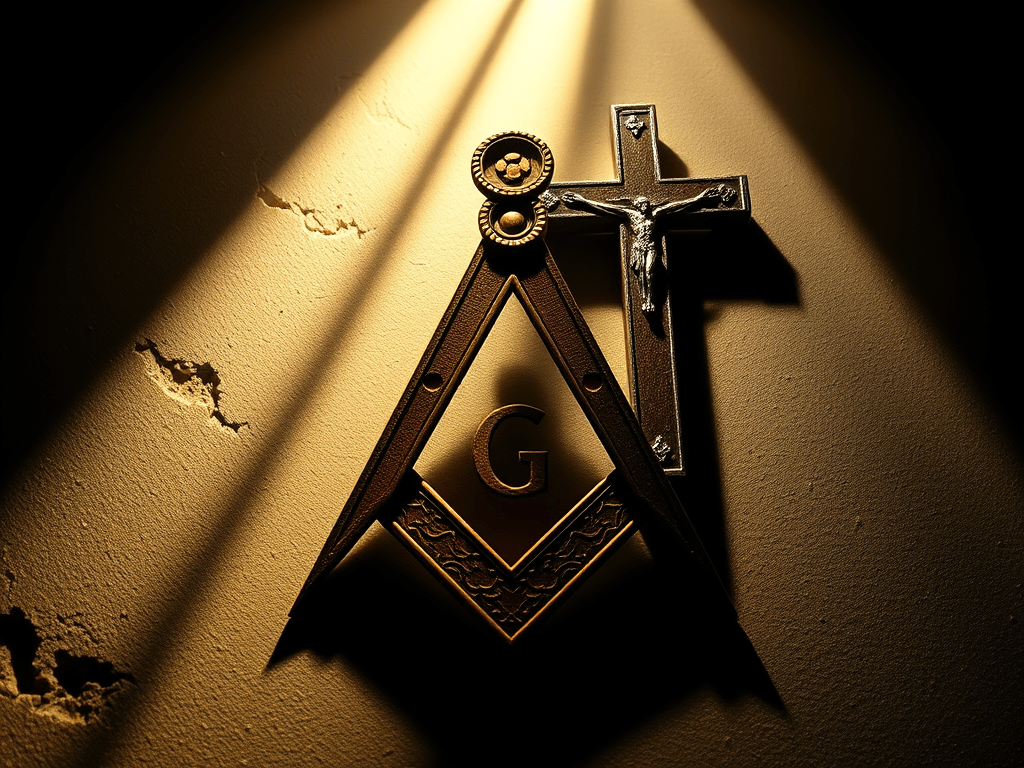
Freemasonry, a fraternal organization tracing its origins to the Enlightenment, has sparked significant debate among Christians due to its secretive rituals, symbolic language, and theological implications. This article examines whether Freemasonry aligns with Christianity, drawing on a detailed inquiry into its practices and beliefs. The analysis references primary Masonic texts by Daniel Sickels (Freemason’s Guide and Compendium, 1866), Albert Pike (Morals and Dogma, 1871), and Manly P. Hall (The Lost Keys of Freemasonry, 1923), contrasted with claims from William Schnoebelen’s video (Former 33rd Degree Mason Reveals the Darkest Secrets of Freemasonry, Almost False, March 24, 2025), X posts alleging pagan deities like “Jabulon,” and biblical theology. Key concerns include Freemasonry’s use of non-biblical names for God (e.g., Great Architect of the Universe, GAOTU), its symbolic “light” and eastward orientation, accusations of Satanic deception, and the source of wisdom. This article argues that Freemasonry’s theological framework is fundamentally incompatible with Christianity, warning believers against participation due to risks of idolatry, syncretism, and spiritual deception.
Background: The Theological Inquiry
The discussion arose from questions about Freemasonry’s Entered Apprentice ceremony, which involves facing east to seek “light” or wisdom, and its potential conflict with Ezekiel 8:16 (NIV), where sun worship is condemned as “detestable.” Concerns focused on several issues:
- Freemasonry’s use of “light” and “east” as symbols of wisdom, potentially rivaling Jesus as the “light of the world” (John 8:12).
- The absence of biblical names for God (e.g., Yahweh, Elohim, per Bible Facts Press), replaced by terms like GAOTU.
- Allegations of Satanic deception, as claimed by Schnoebelen and X posts, including the “Jabulon” deity.
- The source of wisdom, which scripture attributes to God’s Word and human experience (Proverbs 2:6), not symbolic directions.
These issues frame a theological contrast between Christianity’s exclusive monotheism and Freemasonry’s inclusive symbolism, revealing irreconcilable differences.
Freemasonry’s Theological Framework
Non-Biblical Names for God
Freemasonry refers to God as the “Great Architect of the Universe” (GAOTU), a term absent from the Bible. Sickels writes, “The Supreme Being, the Great Architect, is the source of all light and truth” (p. 50), emphasizing a monotheistic Creator. Pike adds, “The Great Architect is the one true God, Creator of all” (p. 213), and Hall states, “The Great Architect is the eternal Creator” (p. 52). These authors deliberately avoid biblical names like Yahweh, Elohim, or Adonai, listed on Bible Facts Press (), to maintain inclusivity: “Masonry respects all religions, using a universal term to unite men of faith” (Sickels, p. 52).
This absence is problematic. Deuteronomy 6:4 (NIV) declares, “The Lord our God, the Lord is one,” and Exodus 3:14 reveals God’s name as “I AM.” Biblical names convey God’s character (e.g., Jehovah-Jireh, “Provider,” ), which GAOTU lacks. Schnoebelen claims non-biblical terms conceal a pagan deity (1:12:26–1:13:31), and X posts allege “Jahbulon” (J-A-B-U-L-O-N), a supposed Royal Arch deity combining Jehovah, Baal, and Osiris (,). While “Jabulon” is absent from Sickels, Pike, and Hall, and unverified by primary sources, its prominence in anti-Masonic narratives fuels suspicion. The lack of biblical specificity risks syncretism, equating the God of Israel with other faiths’ deities, contrary to John 14:6 (NIV): “I am the way… No one comes to the Father except through me.”
Symbolic “Light” and Eastward Orientation
Freemasonry’s rituals, particularly the Entered Apprentice degree, use “light” and “east” to symbolize wisdom. Sickels explains, “The lodge is oriented east, the place of light, symbolizing the dawn of knowledge” (p. 90). Pike adds, “The east, whence comes light, is the source of divine wisdom” (p. 36), and Hall notes, “The east is the gate of the dawn, where the soul receives divine wisdom” (p. 24). Candidates seek “light,” meaning moral and intellectual enlightenment, with the Worshipful Master in the east representing authority.
Schnoebelen alleges this constitutes sun worship, citing Ezekiel 8:16 (NIV): “Twenty-five men… bowing down to the sun in the east” (1:08:34–1:09:25). Although Masonic authors clarify that no literal sun worship occurs—“Masonry worships no created thing” (Pike, p. 213)—the directional focus is concerning. The inquiry questioned why wisdom, mentioned 234 times in the Bible (e.g., Proverbs 2:6, “The Lord gives wisdom”), requires “light” or “east,” when God’s wisdom is omnipresent (Psalm 139:7–12). Jesus declares, “I am the light of the world” (John 8:12), and 1 John 1:5 states, “God is light.” Freemasonry’s symbolic “light” risks implying a rival source, undermining Christ’s exclusivity and God’s transcendence.
Wisdom’s Source
The Bible emphasizes wisdom from God’s Word and human experience. James 1:5 (NIV) instructs, “If any of you lacks wisdom, you should ask God,” and Proverbs 2:6 states, “From his mouth come knowledge and understanding.” Wisdom appears approximately 234 times in scripture, underscoring its divine origin. Freemasonry, however, frames wisdom as “light” from the east, with rituals teaching moral lessons (Sickels, p. 114). Pike aligns this with divine truth—“Wisdom is gained through study and moral practice” (p. 625)—but the symbolic framework suggests an esoteric path, not scripture. Schnoebelen claims this is anti-Christian: “How can you say you’re in darkness when you have Jesus?” (15:10). The reliance on allegory over biblical revelation conflicts with 2 Timothy 3:16 (NIV), which declares scripture “useful for teaching.”
“Jabulon” and Paganism Allegations
Schnoebelen implies that higher Masonic degrees conceal a pagan god (32:15–32:30), while X posts claim “Jabulon” is Freemasonry’s deity, a Royal Arch composite of Jehovah, Baal, and Osiris (,). No primary Masonic text (Sickels, Pike, Hall) mentions “Jabulon,” and the United Grand Lodge of England denies it as a deity, calling it a symbolic word, if used. Pike rejects idolatry: “No Mason worships false gods” (p. 101), and Sickels ties rituals to biblical history (p. 208). However, the controversy, rooted in exposés like Duncan’s Ritual of Freemasonry (1866), persists, amplifying fears of deception. Deuteronomy 4:19 (NIV) warns against worshipping “the sun, the moon and the stars,” and concerns about Satanic deceit (John 8:44) highlight the risk of ambiguous terminology leading to idolatry.
Christianity’s Theological Framework
Exclusive Monotheism
Christianity is grounded in exclusive monotheism. Deuteronomy 6:4 affirms God’s oneness, and John 1:1–3 identifies Jesus as the Creator: “Through him all things were made.” The Bible Facts Press lists names like Elohim and Yahweh, revealing God’s character (). Christianity holds that salvation is through Christ alone (John 14:6), and scripture is the ultimate authority (2 Timothy 3:16). Any deviation risks idolatry, as seen in Ezekiel 8:16’s condemnation of sun worship.
Jesus as the Light
Jesus’ declaration, “I am the light of the world” (John 8:12), establishes Him as the sole source of spiritual truth. Psalm 119:105 (NIV) adds, “Your word is a lamp for my feet,” emphasizing scripture’s role. The inquiry questioned why Freemasonry seeks “light” from the east, given God’s omnipresence (Psalm 139:7–12). Any symbol implying another “light” risks diminishing Christ’s supremacy, per Colossians 1:15–17 (NIV): “He is before all things.”
Wisdom from God
Scripture mentions wisdom 234 times, emphasizing its divine source. Proverbs 2:6 states, “The Lord gives wisdom,” and James 1:5 encourages prayer for it. Experiential wisdom is sanctified by God’s guidance (James 1:2–4). Alternative paths, like Freemasonry’s esoteric rituals, risk bypassing scripture, contradicting Proverbs 3:5–6 (NIV): “Trust in the Lord with all your heart and lean not on your own understanding.”
Warning Against Deception
John 8:44 (NIV) describes Satan as the “father of lies,” and 2 Corinthians 11:14 warns he “masquerades as an angel of light.” Concerns about Satanic deception align with 1 John 4:1 (NIV): “Test the spirits.” Freemasonry’s secrecy and non-biblical terms raise red flags, as Matthew 7:15 (NIV) cautions against “false prophets” who appear righteous.
Why Christianity and Freemasonry Cannot Align
Theological Incompatibility
Freemasonry’s inclusive terminology (GAOTU) seeks to unite diverse faiths, but Christianity demands exclusivity. John 14:6 rejects equating the God of Israel with other deities, and Acts 4:12 (NIV) affirms, “Salvation is found in no one else.” GAOTU’s ambiguity risks syncretism, as it may encompass non-biblical gods, contrary to Deuteronomy 4:19. The absence of names like Yahweh or Elohim, per Bible Facts Press (), obscures God’s revealed character, potentially leading to idolatry.
Conflicting Sources of Truth
Freemasonry’s “light” and eastward orientation symbolize wisdom, but Christianity holds that truth comes from Christ and scripture. Colossians 2:8 (NIV) warns against “human traditions and the elemental spiritual forces of this world rather than on Christ.” Masonic rituals, with their allegorical focus, prioritize esoteric knowledge over biblical revelation, conflicting with Psalm 119:105. Schnoebelen’s critique—“Masonry is an antichrist religion” (18:13)—highlights this, as the “light” ritual implies spiritual lack without Christ (15:10).
Risk of Idolatry
Ezekiel 8:16’s condemnation of sun worship resonates with concerns about Freemasonry’s eastward “light.” While Sickels, Pike, and Hall deny sun worship, the symbolic reliance on natural imagery risks misinterpretation, especially without explicit reference to Jesus. Deuteronomy 4:19 forbids worshipping creation, and Freemasonry’s ambiguity—coupled with “Jabulon” allegations—amplifies this danger. Even if “Jabulon” is unverified, its persistence in anti-Masonic narratives underscores the confusion non-biblical terms create.
Secrecy and Deception
Freemasonry’s secretive oaths, which Schnoebelen claims empower Satan (33:26–33:38), conflict with Christian transparency. Matthew 5:37 (NIV) instructs, “Let your ‘Yes’ be ‘Yes,’ and your ‘No,’ ‘No,’” and secrecy risks spiritual compromise. Concerns about Satanic deceit (John 8:44) are valid, as Freemasonry’s inclusivity and esoteric rituals may mask falsehood, per 2 Corinthians 11:14. Schnoebelen’s unverified claims (e.g., child abuse, 32:23–32:30) lack primary evidence, but the lack of clarity in Masonic texts fuels suspicion.
Warning to Christians
Christians are urged to avoid Freemasonry due to its theological conflicts and spiritual risks:
- Idolatry Risk: Non-biblical terms like GAOTU and ambiguous symbols (e.g., “light,” “east”) risk equating God with false deities, violating Deuteronomy 6:4. The “Jabulon” controversy, though unverified, highlights this danger.
- Syncretism: Freemasonry’s inclusivity undermines John 14:6’s exclusivity, potentially leading believers to compromise their faith by uniting with non-Christian Masons under a vague “Creator.”
- False Wisdom: Seeking “light” through rituals contradicts Proverbs 2:6 and James 1:5, which direct believers to God’s Word and prayer. Masonic allegory prioritizes human tradition, per Colossians 2:8.
- Spiritual Deception: Secrecy and esoteric symbols align with 2 Corinthians 11:14’s warning of Satanic deception. Even if not overtly Satanic, Freemasonry’s ambiguity risks spiritual confusion, per 1 John 4:1.
- Biblical Precedent: Ezekiel 8:16’s condemnation of sun worship parallels concerns about Freemasonry’s eastward “light,” urging Christians to reject practices that mimic idolatry, per Deuteronomy 4:19.
Counterarguments and Rebuttals
Masonic authors argue compatibility with Christianity:
- Sickels: “Masonry strengthens religion… Many Masons are devout Christians” (p. 52). Rituals use biblical imagery (e.g., Solomon’s Temple, p. 142).
- Pike: “The Bible is ever-present in lodges” (p. 104), and GAOTU is the Creator (p. 213).
- Hall: “The true Mason may worship in any temple” (p. 66), supporting faith.
However, these claims fail to address:
- Exclusivity: Christianity’s demand for Christ alone (John 14:6) conflicts with GAOTU’s inclusivity, which may encompass non-biblical gods.
- Scriptural Authority: Masonic rituals prioritize allegory over scripture, undermining 2 Timothy 3:16.
- Clarity: Ambiguous terms and secrecy risk misinterpretation, per Matthew 5:37, unlike the Bible’s clear revelation (John 1:1–3).
While some Christians join Freemasonry, believing GAOTU is the biblical God, this relies on personal interpretation, not Masonic doctrine, which remains faith-neutral. The risk of compromise outweighs perceived compatibility.
Practical Steps for Christians
- Study Scripture: Read Deuteronomy 6:4, John 14:6, Proverbs 2:6, and Ezekiel 8:16 (NIV) to affirm God’s exclusivity, Christ’s supremacy, and wisdom’s source. Use Bible Facts Press () to understand God’s names.
- Avoid Freemasonry: Refrain from joining or attending lodges, per Colossians 2:8’s warning against human traditions. If involved, prayerfully consider leaving, seeking pastoral guidance.
- Test Claims: Evaluate anti-Masonic claims (e.g., Schnoebelen, X posts) against primary sources (Sickels, Pike, Hall) and scripture, per 1 John 4:1. Reject unverified allegations like “Jabulon” but heed ambiguity’s risks.
- Pray for Discernment: Ask God for wisdom (James 1:5) to navigate Freemasonry’s appeal, especially its charity (Sickels, p. 84), which may mask theological error.
- Engage with Love: If discussing with Masons, share concerns respectfully, emphasizing John 14:6 and Matthew 7:20’s call to judge by fruits.
Conclusion
Freemasonry’s non-biblical terminology (GAOTU), symbolic “light” and eastward orientation, and esoteric wisdom conflict with Christianity’s exclusive monotheism, Christ’s supremacy, and scriptural authority. While Sickels, Pike, and Hall claim compatibility, their inclusive framework risks syncretism, idolatry, and deception, per Deuteronomy 6:4, John 14:6, and 2 Corinthians 11:14. Schnoebelen’s sensational claims (e.g., sun worship, Satanic secrets) and X posts’ “Jabulon” allegations lack primary evidence but highlight Freemasonry’s ambiguity, which Ezekiel 8:16 parallels as spiritually dangerous. Christians are warned to avoid Freemasonry, prioritizing God’s Word (Proverbs 2:6) and Christ’s light (John 8:12) over human traditions. By testing all things (1 John 4:1), believers can uphold their faith, rejecting compromise for the glory of the one true God.
 Hoodlm's Thoughts, Reviews and How-To's